Beyond the Diet: Reclaiming Your Relationship with Food
Beyond the Diet: Reclaiming Your Relationship with Food
Are you tired of the endless cycle of "good" foods, "bad" foods, and the heavy weight of guilt that follows? If you’ve spent years counting every calorie and feeling like you’re constantly at war with your plate, you’re not alone. The truth is, traditional dieting often sets us up for a cycle of shame that keeps us stuck, not thriving.
What if the secret to lasting change isn't in another restrictive meal plan, but in a fundamental shift in your mindset?
Breaking Free from the "Diet Mentality"
Many of us have been taught to view food through a lens of restriction and judgment. We label foods as "off-limits" and then berate ourselves when we indulge, leading to a "why bother" mentality that only fuels more emotional eating.
But here’s the reality:Eating does not make you a better or worse person. When you stop categorizing food as moral failings, you remove the power of shame. You can enjoy the foods you love—like a piece of cake at a celebration or a savory comfort meal—without needing to apologize for it. By shifting your mindset to neutrality, you can reclaim the joy of eating, savoring each bite rather than rushing through it in a fog of guilt.
The Emotional Void: Why We Eat
We’ve all been there: reaching for a snack after a stressful day, not because our stomach is empty, but because our heart feels a little hollow. Using food to fill an emotional void—whether it’s stress, boredom, or loneliness—is a common human experience, but it’s often a way of numbing feelings rather than resolving them.
This cycle doesn't just leave us feeling physically uncomfortable; it wastes our precious time and mental energy. Every moment spent obsessing over the "damage" done by emotional eating is energy that could be spent nourishing yourself, connecting with others, or pursuing the things that actually make you feel vibrant and alive.
A New Path Forward
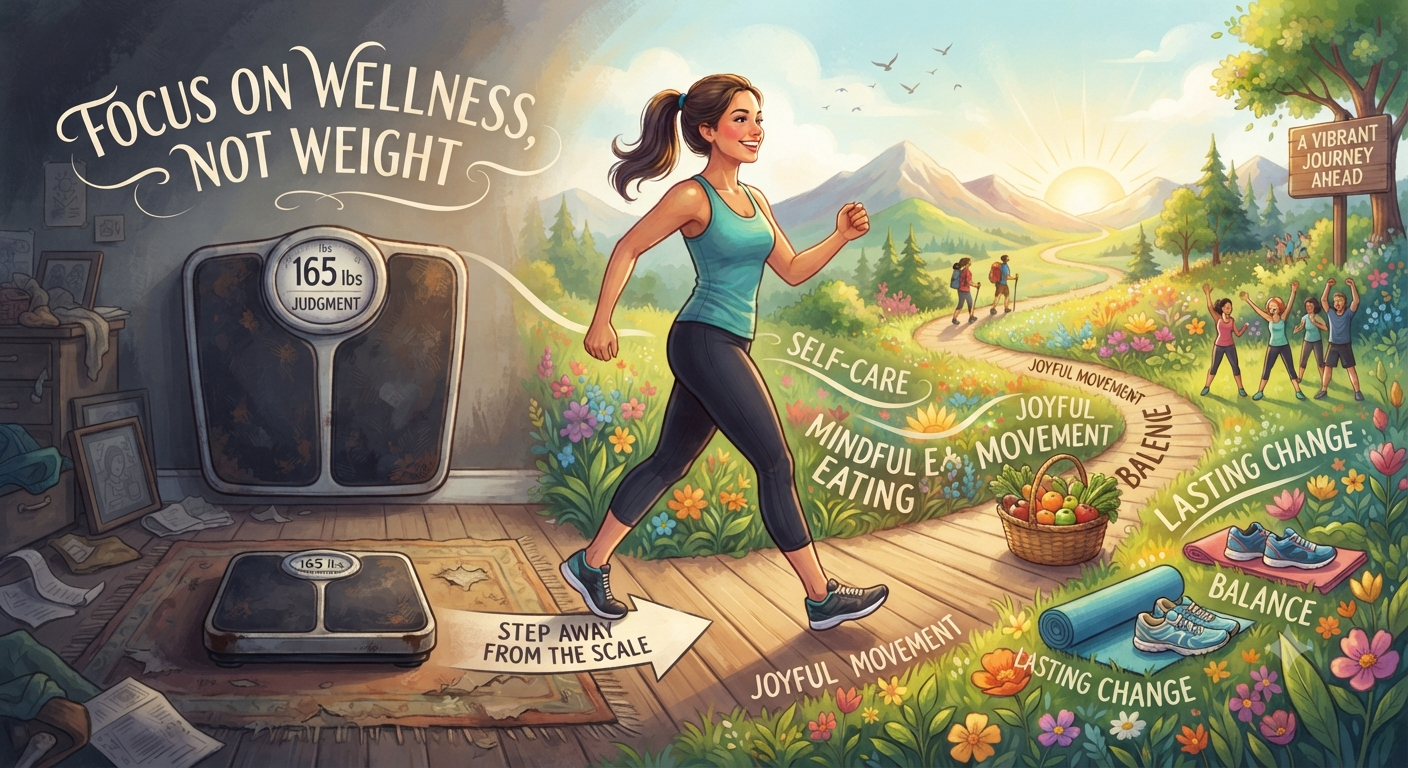
True health is about more than just the number on the scale; it’s about mood, energy, sleep, and how you feel in your own skin. Embracing a "mindset-first" approach means:
Listening to your body: Honoring hunger and fullness cues instead of following arbitrary rules.
Practicing mindful eating: Being fully present with your food to truly satisfy your needs, rather than just filling a void.
Choosing self-compassion: Replacing negative self-talk with resilience. If you make a choice you didn't feel great about, it’s just data—you can make a better choice next time, without the baggage of shame.
If you are ready to stop fighting with your food and start building a relationship that supports your well-being, it’s time to look beyond the diet.
Learn how you can start your own mindset-first journey here:https://mindalchemist.ca/beyond-diet


© Copyright 2023 Mindalchemist.ca All rights reserved.